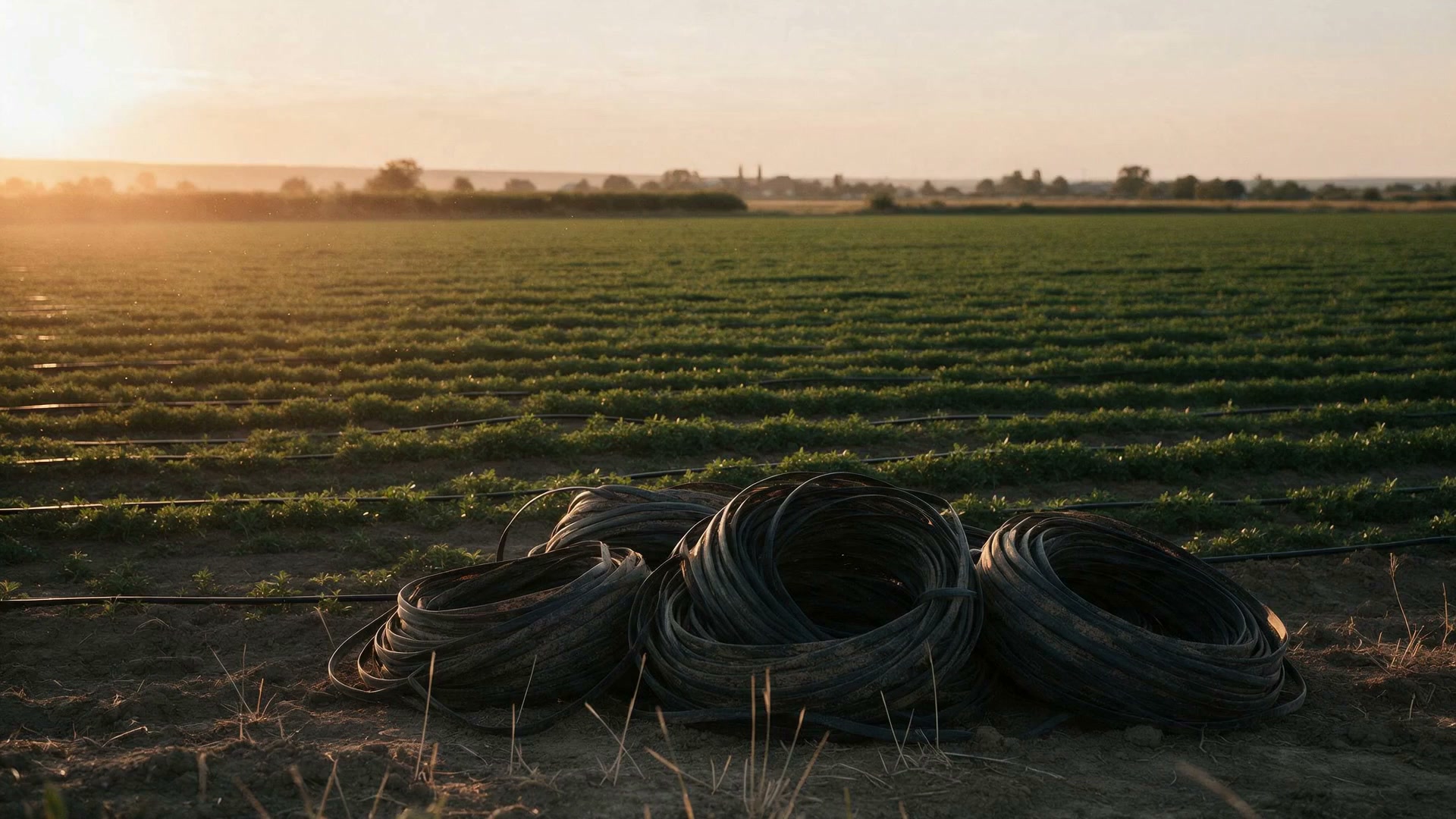
Agri circular economy · Romania → Europe
From agricultural plastic waste to premium circular material.
AgreCore builds the missing industrial link in Europe’s circular economy — collection, pre-treatment, washing, pelletising and quality control between the fields and the manufacturers. We turn their circularity ambitions into industrial reality, starting with rHDPE in Făurei, Romania.
The scale of it
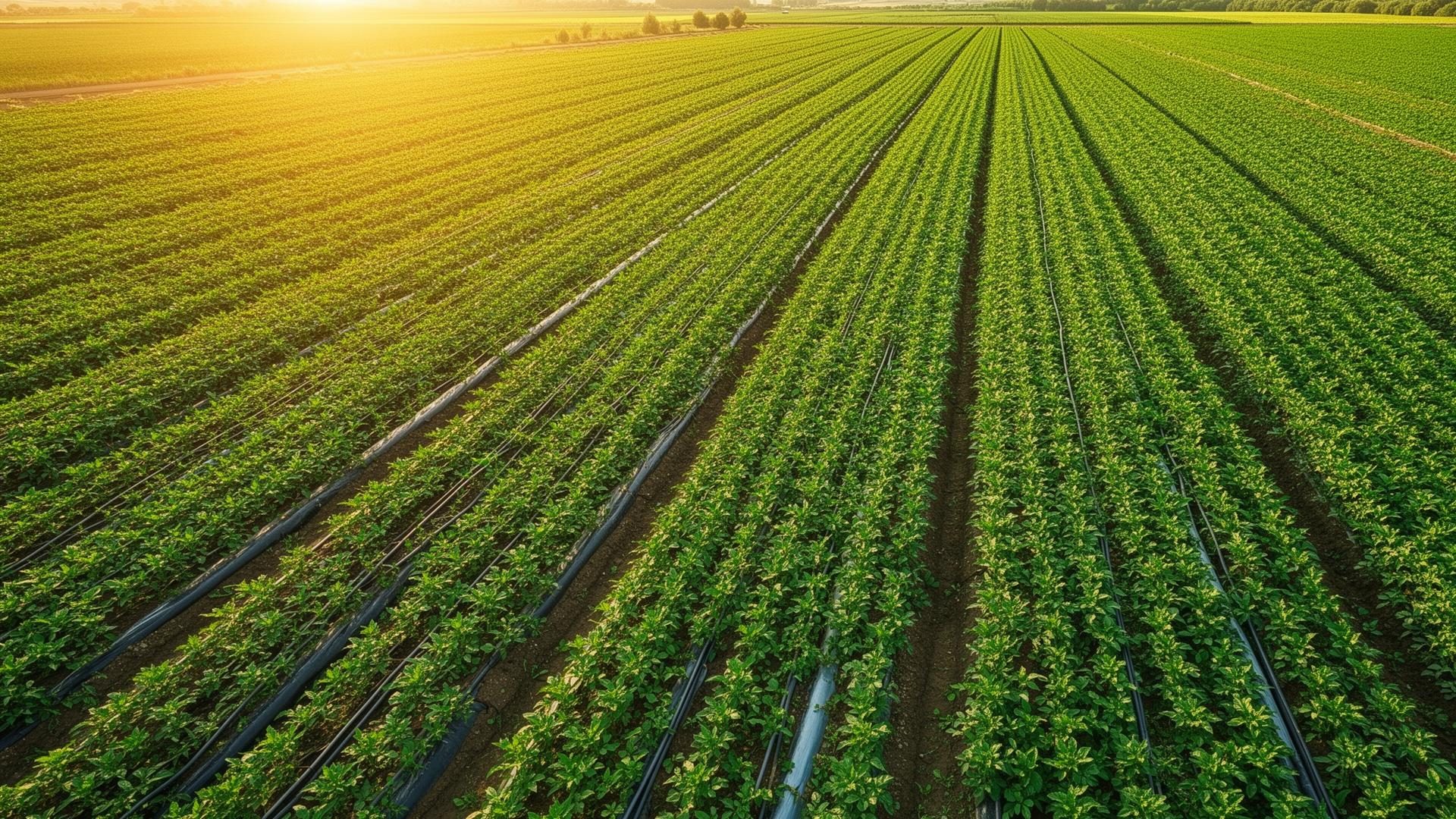
Eight kilometres of plastic driplines per hectare.
Buried in the soil your food grows in.
Plastic is part of modern agriculture before it becomes a waste problem. Driplines, driptapes, irrigation pipes and crop-support plastics help farmers use water, land and labour more efficiently. The circular challenge begins when those products reach the end of their useful life.
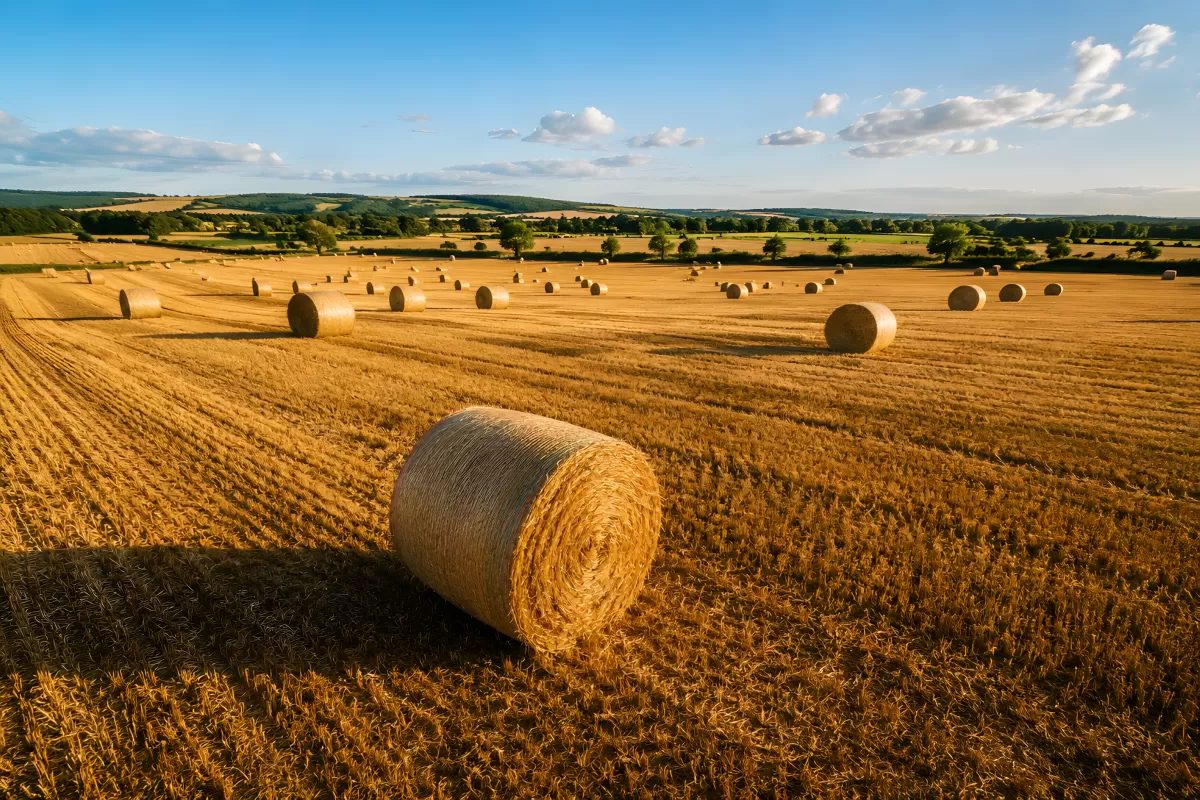
The scale nobody pictures
This is what
actually feeds Europe.
Sources in full below · A.D.I.VALOR Rapport d’activité 2020 / 2024 · EC DG ENV 2021
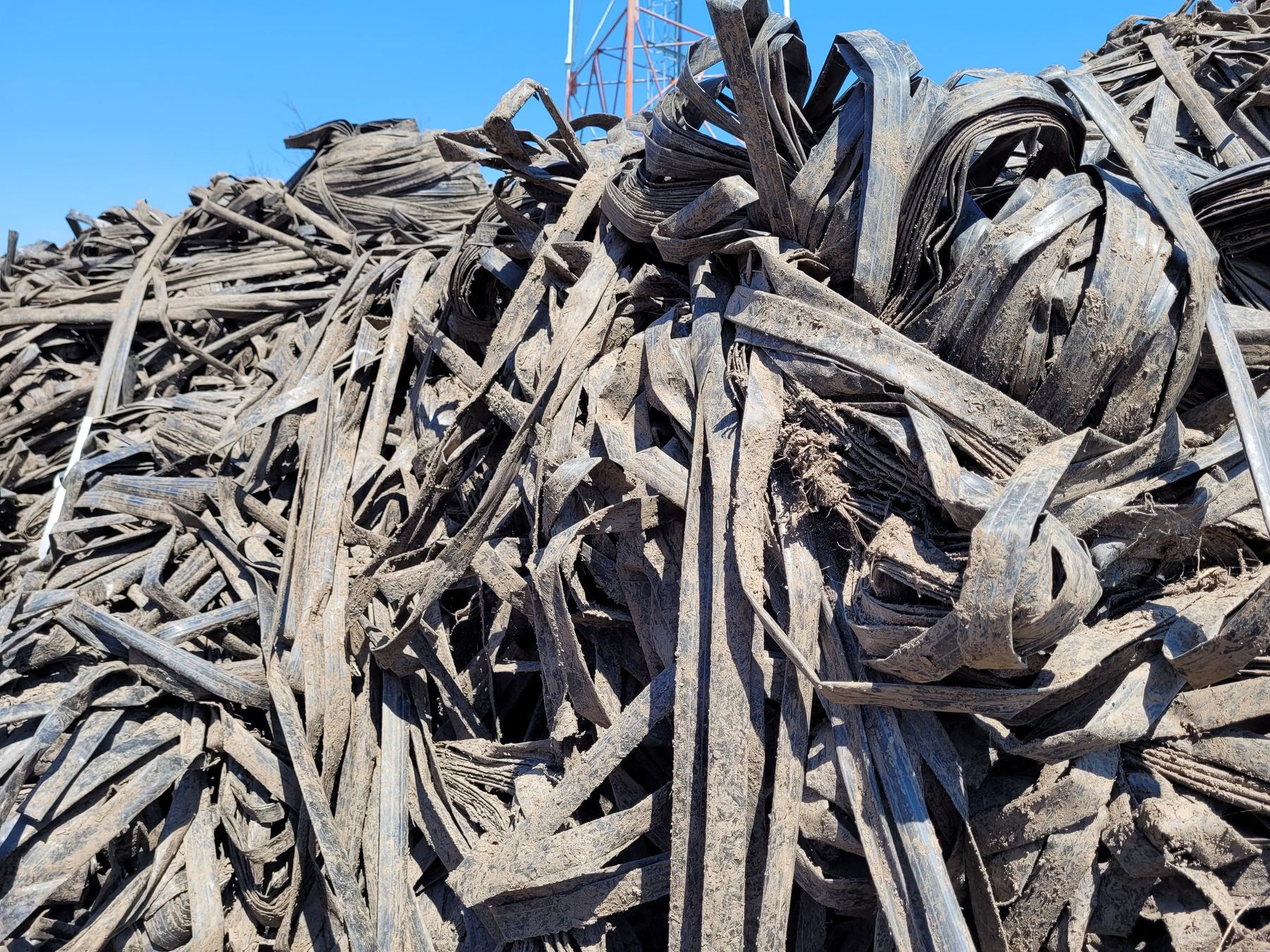
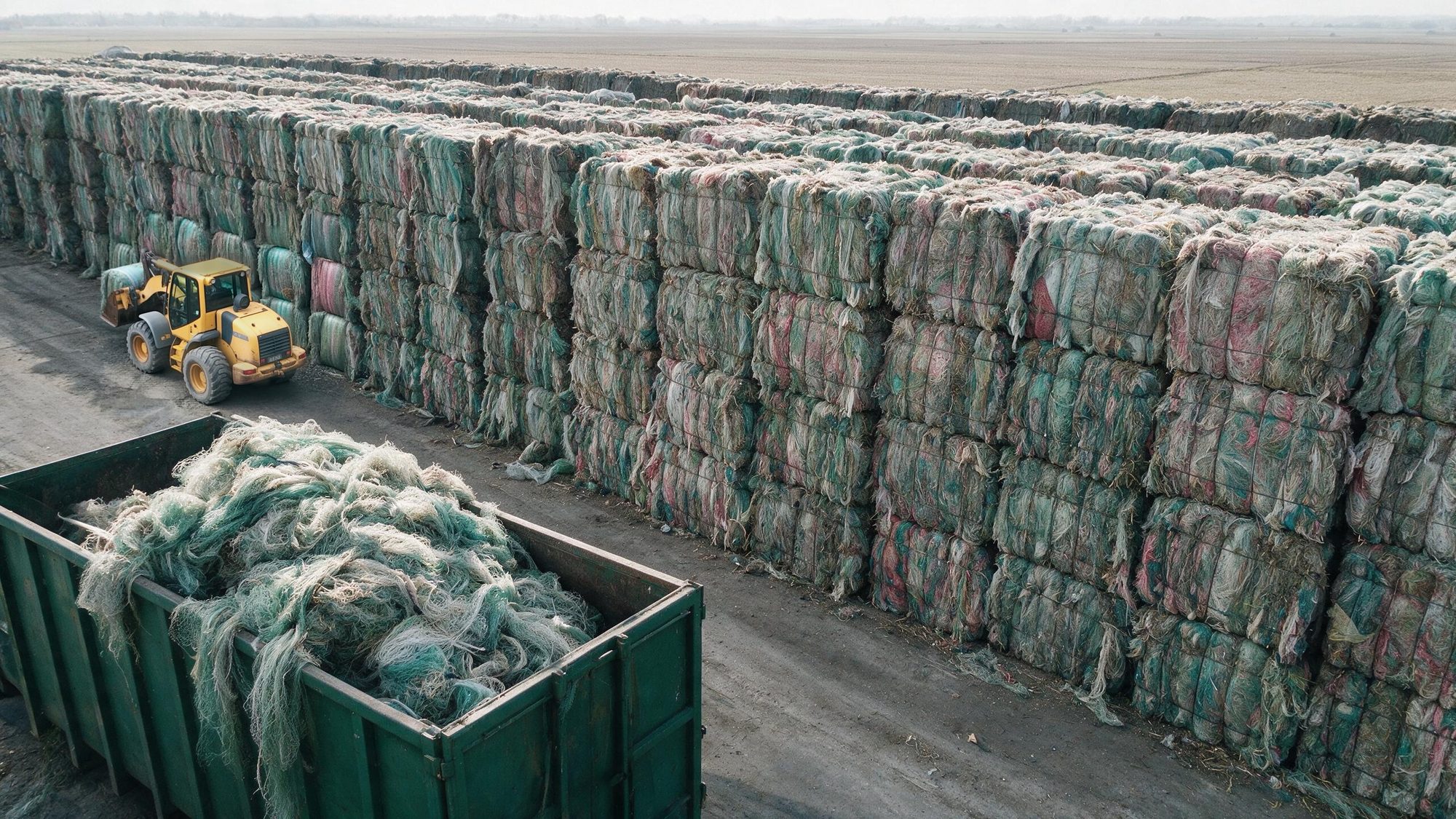
What the season leaves behind
And this is what is left
when the season ends.
Once recovered from the field, agricultural plastic arrives dirty, mixed and difficult to handle. Without a viable route back into production, material that once enabled efficient farming becomes a disposal problem.
Where it goes instead
It doesn’t rot.
It doesn’t leave.
EC / DG ENV, Agricultural Plastics Final Report, 2021 · Directive (EU) 2025/2360, in force since December 2025
The turn
The material is there. The value is there.
So why is almost none of it coming back?
Collection is not recycling. Recycling is not circularity.
Three things have to change at the same time — the rules, the place, and the product.
Why now
Europe has stopped asking nicely.
EU waste law already puts recovery above disposal. Romania wrote it into national law in 2021. The plant that would let anyone comply was never built.
The EU Packaging Regulation applies. Recycled content moves from a claim to a compliance question.
EU plastic waste may no longer be exported to non-OECD countries.
Binding recycled-content quotas take effect across packaging categories.
Romania must cut landfilling from 74 % to a maximum of 10 %.

04 · Industrial conversion
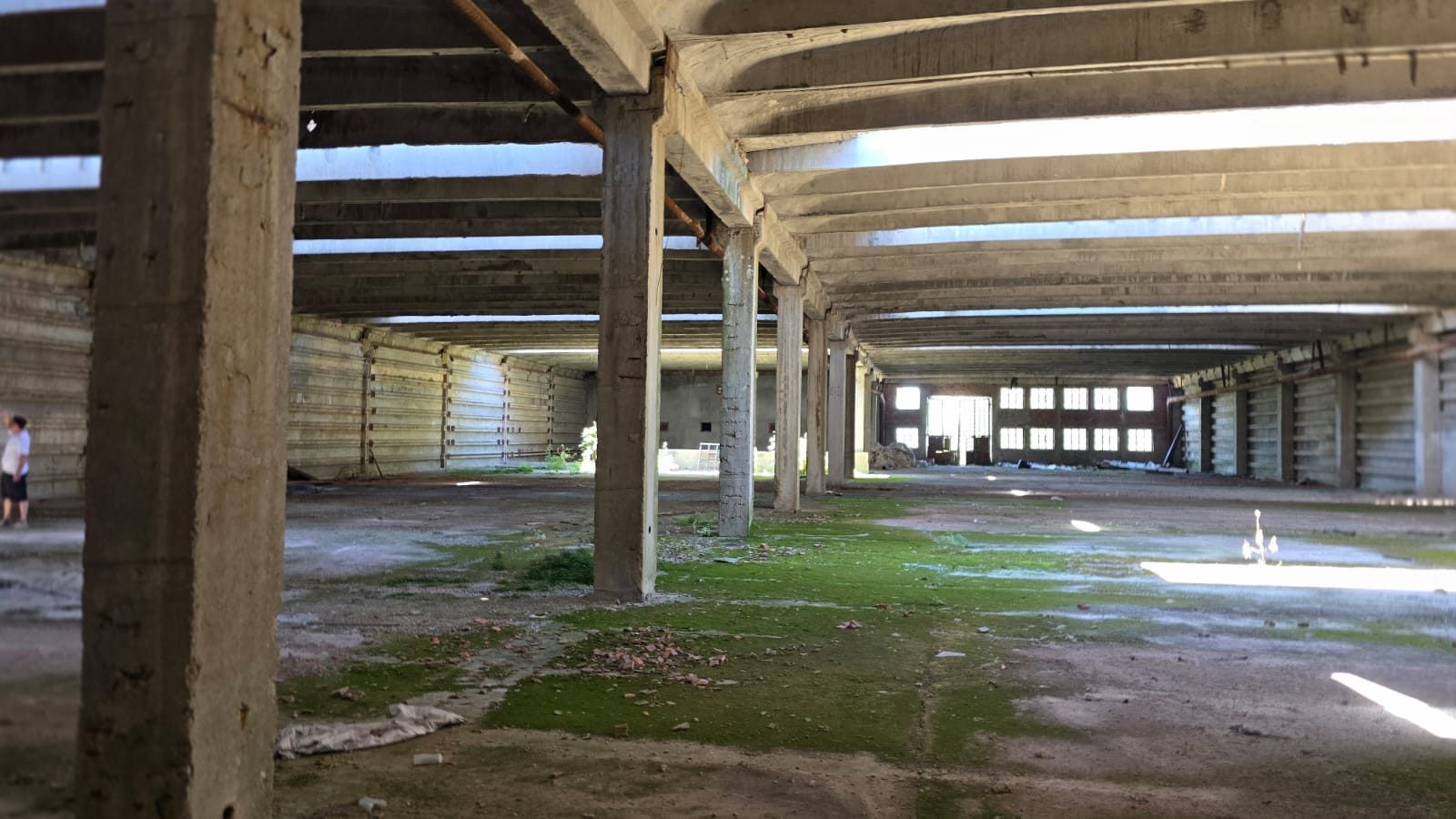
This is where the loop
becomes a factory.
The launch architecture connects pre-treatment to washing, separation, drying, pelletising and quality control. This is the hall as it stands today. Two lines are engineered and dimensioned to fit inside it.
05 · Premium output
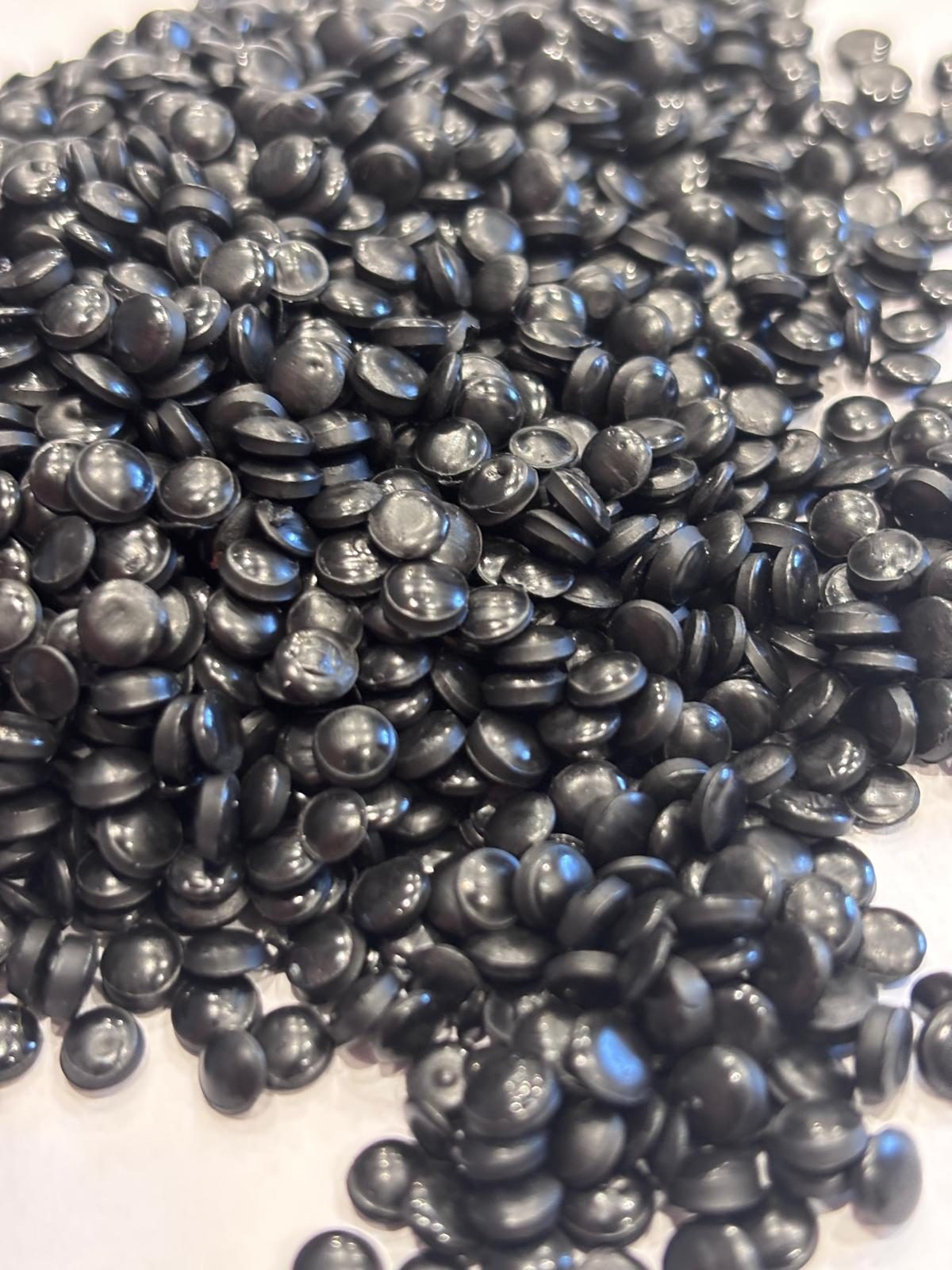
Waste in.
Engineered material out.
The endpoint is not recycled waste. It is a consistent industrial raw material — traceable and ready to re-enter manufacturing.
The investment case
Turn waste into value. At scale.
A business model that becomes more interesting the closer you look.
AgreCore is not built to monetise a green story. It is built to sell high-quality circular material into industrial markets. The environmental problem creates structurally attractive sourcing economics; the plant converts that advantage into a premium product; the hub model creates the path to scale.
Underserved waste streams create sourcing economics that differ fundamentally from conventional recycled-feedstock markets.
Premium rHDPE is the first material focus, with a disciplined sales case and quality qualification with industrial buyers.
Modular capacity, controlled pre-treatment and a repeatable hub architecture create operating leverage as volumes grow.
Attractive economics by structure — not by storytelling.
Where you come in
Three ways in.
Choose the one you come from.
Not every conversation here starts with equity. Two of these three do not.
You can back this with grant funding.
Grants & public funding →Waste to place, or recyclate to buy.
Feedstock & offtake →Loan, convertible or equity.
Request investor access →Europe has committed to a circular economy. AgreCore is building the industrial infrastructure required to actually close the loop. Agriculture is our entry point, not our limit.
Illustrations on this site were generated with AI.